
I’m still a bit perplexed.
I was watching the Australian Open this year and something the commentators kept saying caught my attention.
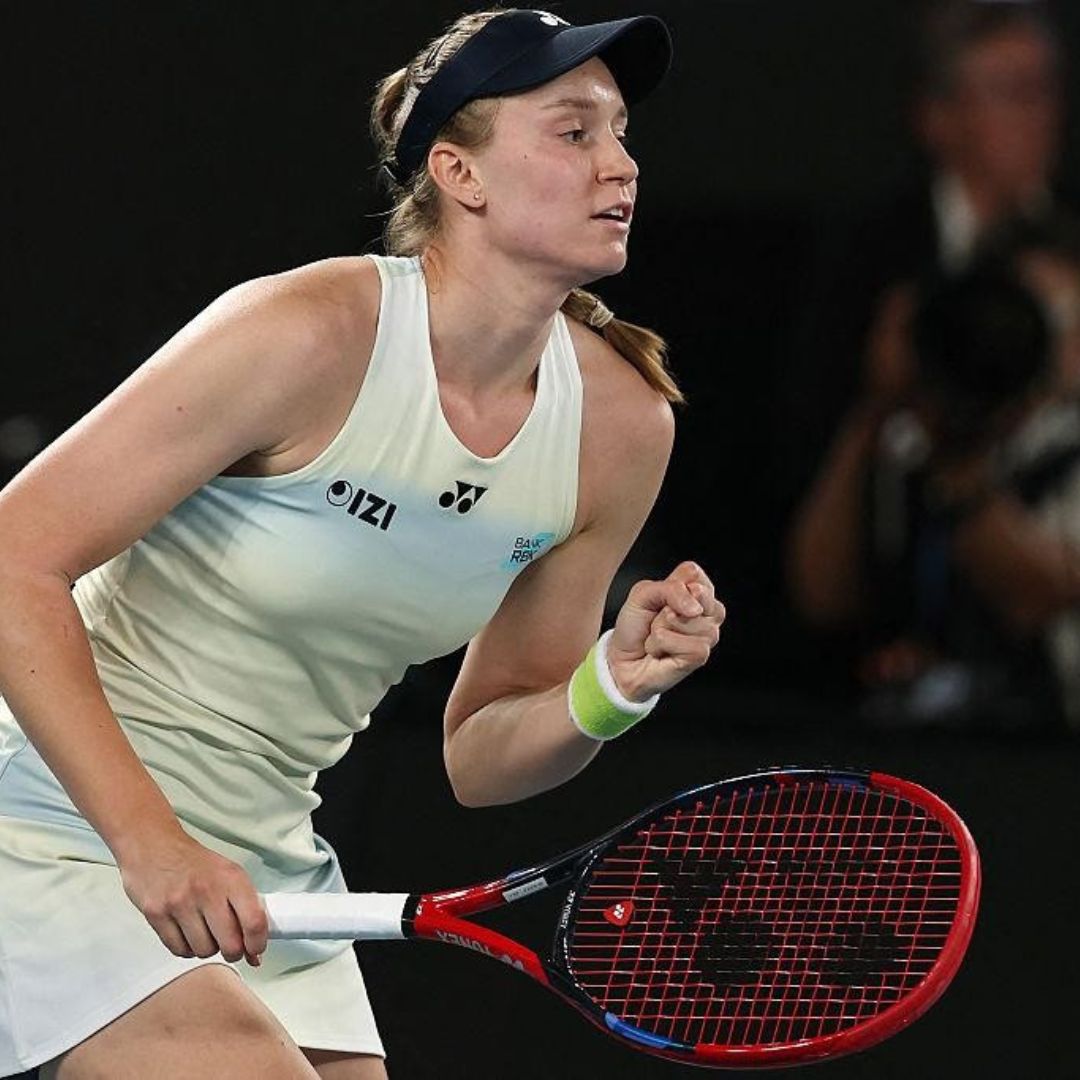
Elena Rybakina, the world #3, was playing exceptionally well. She was focused, calm and in control.
And yet – twice – the commentators sounded puzzled that she was asking her coaches questions.
Why would she be asking questions when she’s doing so well?
I actually wondered if I’d misheard them.
But then they said it again.
She’s winning.
What could she possibly need to ask?
And that’s when it hit me.
Do we really believe questions are only for when we’re stuck?
For when something isn’t working?
For when we don’t know enough?
Because if that’s true, we’ve misunderstood questions completely.
What if questions aren’t a response to failure but a strategy for staying sharp?
Just because something is working doesn’t mean there’s nothing to clarify.
Or better understand.
In fact, success might be the most important moment to ask.
|
|
|
|